SOFF X · AIHujjatingizni AI yaratsinSovg'ani oling
Mahsulot tavsifi
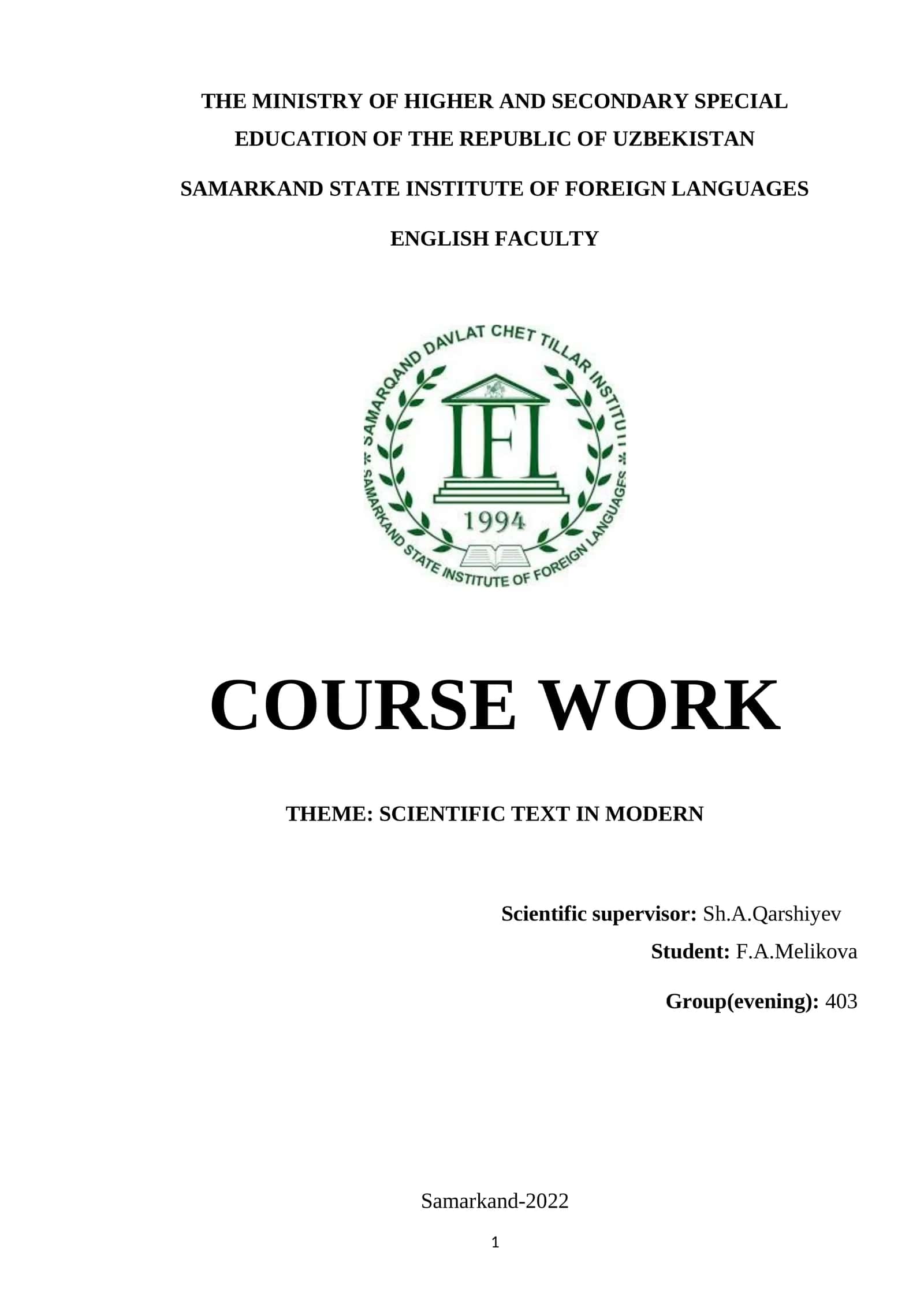
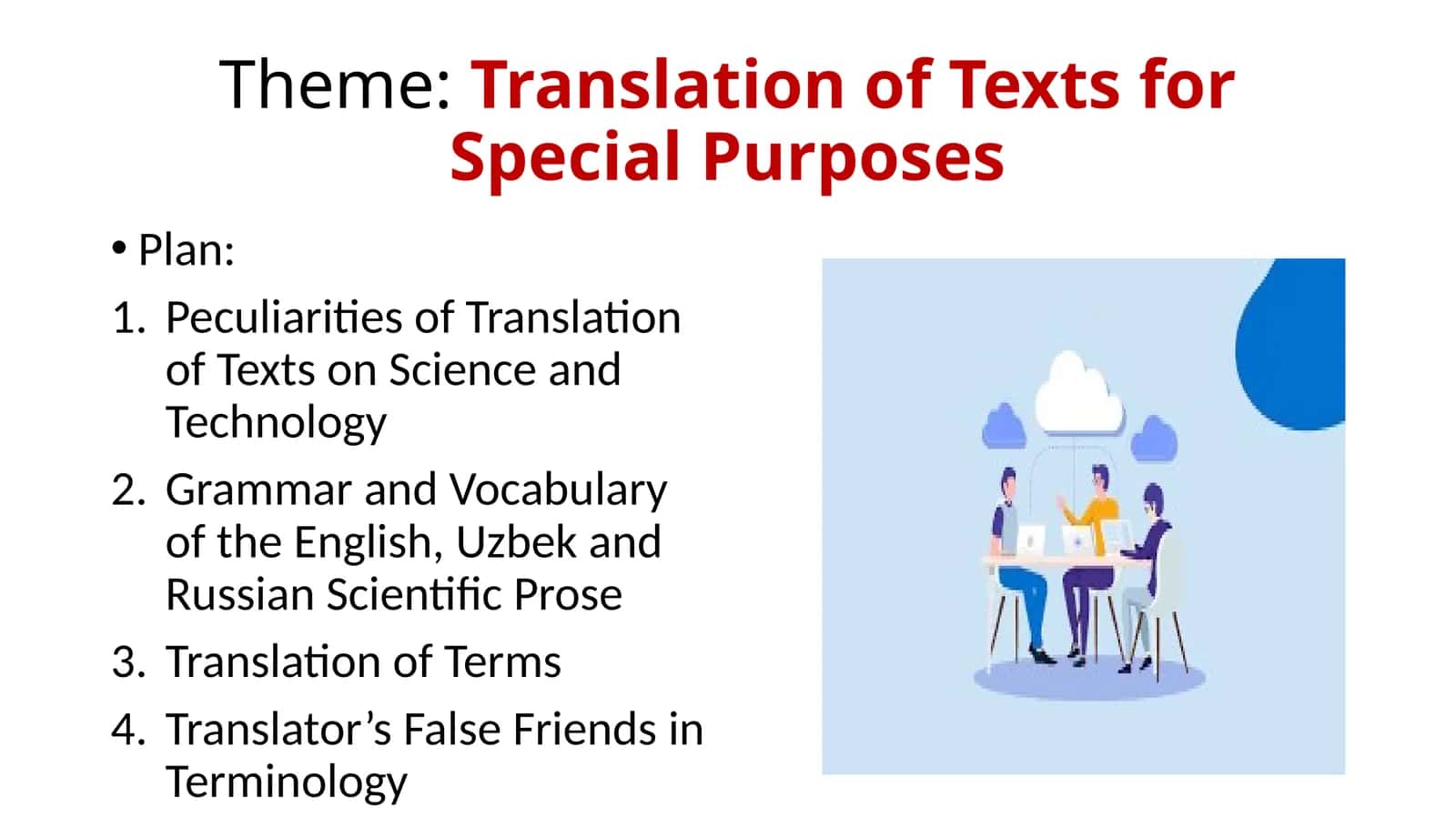
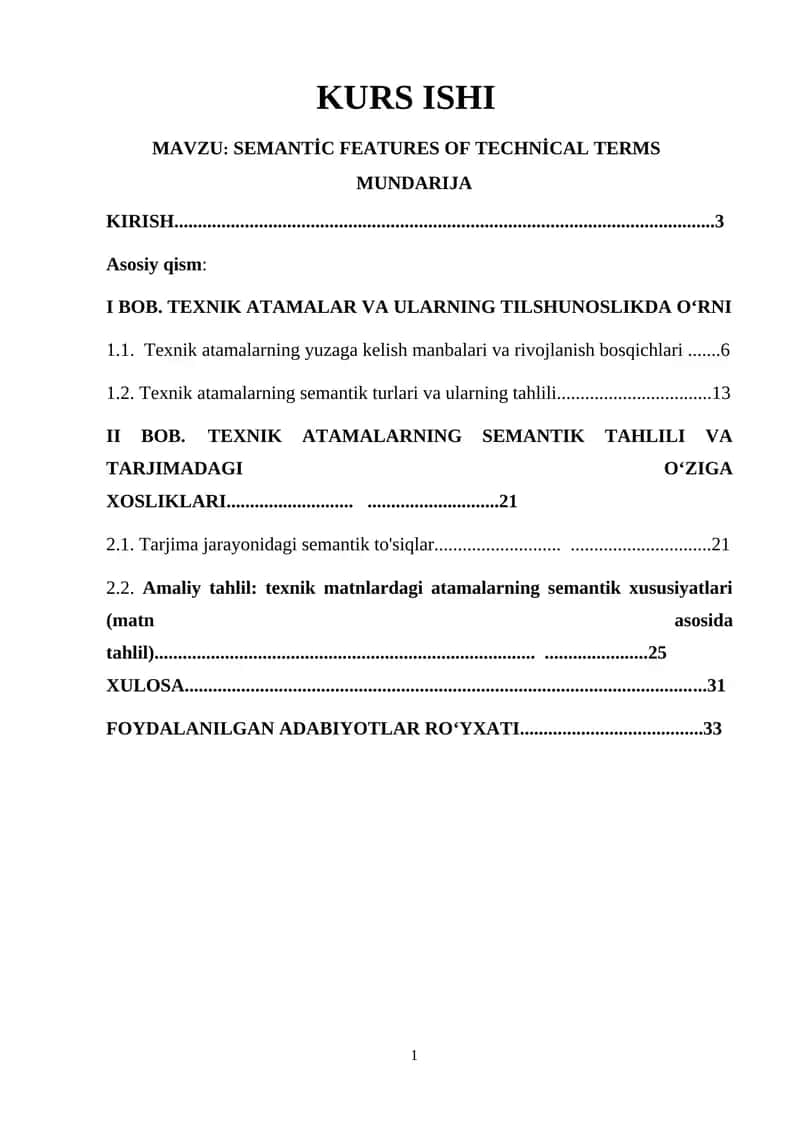
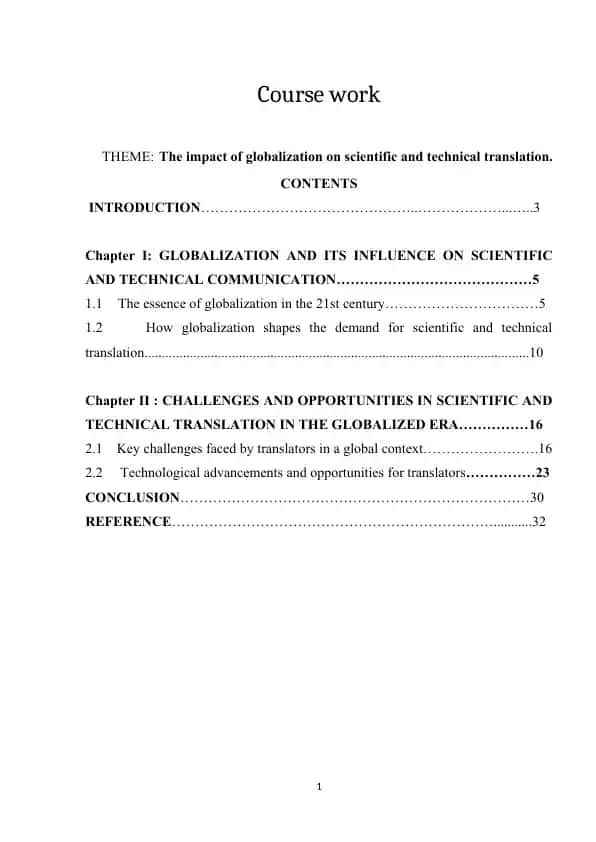
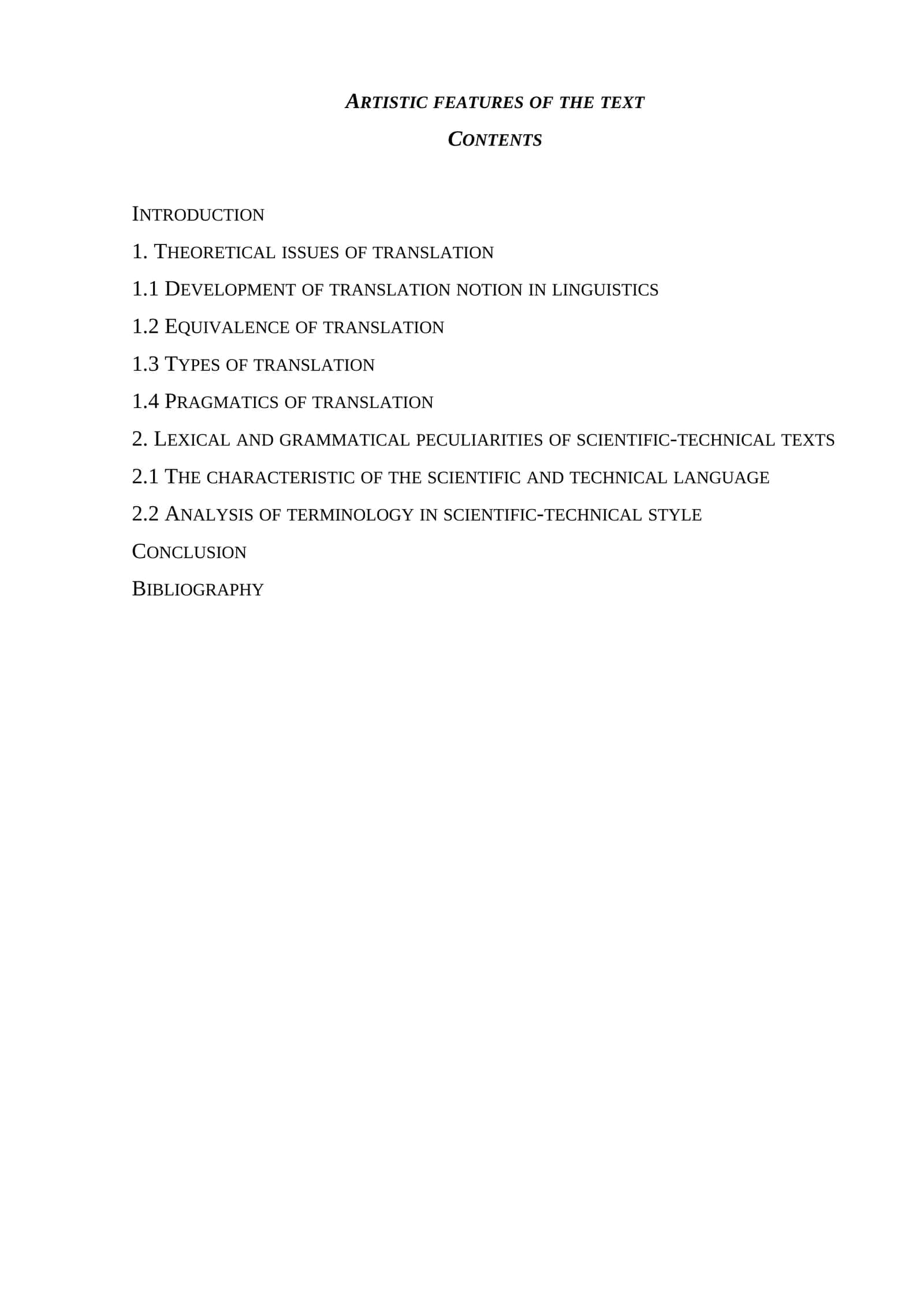
This course paper is dedicated to studying the problem of translating scientific-technical texts, focusing on the linguistic and structural features that distinguish this text type from other genres. The research examines the lexico-grammatical characteristics of English scientific and technical literature, with particular attention to terminology as the core component of technical discourse. The paper consists of an introduction, two chapters, and a conclusion. Chapter One explores the general characteristics of scientific-technical texts, including their stylistic neutrality, logical structure, precision, and absence of expressive-emotional elements typical of literary works. It also analyzes the lexico-grammatical peculiarities of English scientific-technical literature, such as the predominance of passive constructions, nominal structures, impersonal sentence patterns, and specific syntactic features including inversion and attributive constructions. Chapter Two focuses on terms as the central element of scientific-technical texts, discussing their formation, classification, and the challenges of terminological systematization. It further examines the main types of translation transformations used in rendering scientific-technical materials, including equivalent search, analogue translation, calquing, transliteration/transcription, functional-sense translation, and descriptive translation with translator's commentary. The study emphasizes that adequate translation of scientific-technical texts requires not only linguistic competence but also specialized subject-matter knowledge, since translators must accurately convey complex concepts while preserving the original's logical sequence, conciseness, and objectivity. The paper concludes that the translator's skill lies in balancing terminological accuracy with clarity, ensuring that the translated text remains accessible to specialists without distorting the source material's meaning. The theoretical findings and practical recommendations presented in this work can be useful for students, translators, and researchers working in the field of scientific-technical translation, as well as for developing translation training methodologies.
Muallif
- Hujjatlari
- 511
- Sotilgan
- 234